
Exploring Shockproof Data Storage Devices
- john39366
- Feb 2
- 4 min read
In demanding industrial and field environments, data integrity is non-negotiable. Equipment must endure shocks, vibrations, and extreme conditions without losing critical information. This is where shockproof data storage devices come into play. They provide the resilience needed to keep operations running smoothly, even in the harshest settings.
Understanding Shockproof Data Storage Devices
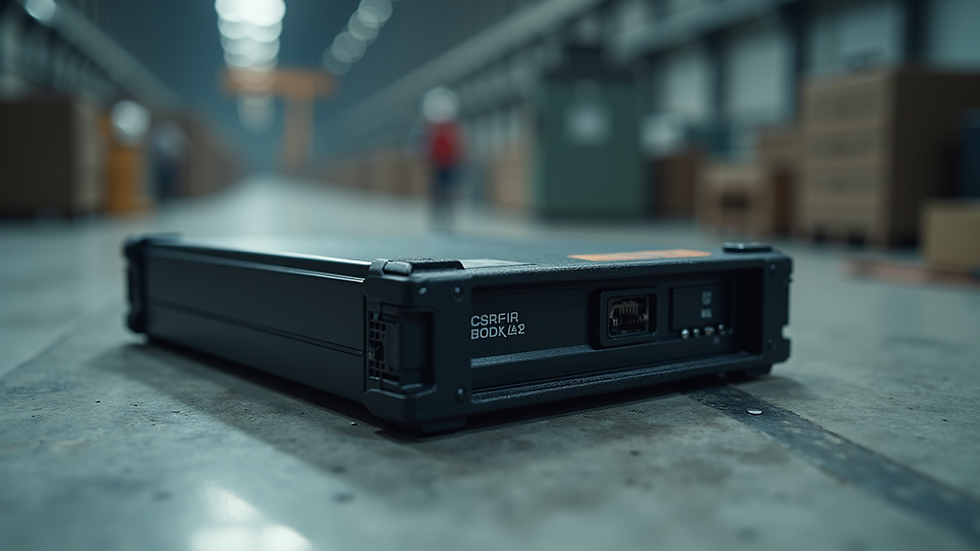
Shockproof data storage devices are engineered to withstand physical impacts that would typically damage standard storage media. These devices incorporate rugged designs, shock-absorbing materials, and advanced internal mechanisms to protect data from sudden jolts or drops.
For example, many models use reinforced casings made from high-grade plastics or metals combined with internal cushioning. This design absorbs and disperses energy from impacts, preventing damage to the sensitive components inside. Some devices also feature sealed enclosures to protect against dust, moisture, and temperature extremes.
Industries such as oil and gas, mining, construction, and transportation rely heavily on these devices. They often operate in environments where equipment is exposed to vibrations from heavy machinery or accidental drops during transport. Shockproof storage ensures that data collection continues uninterrupted, avoiding costly downtime or data loss.
Key Features of Shockproof Data Storage Devices
When selecting shockproof data storage devices, several features stand out as essential:
Shock Resistance: Devices are tested to meet or exceed military-grade standards (MIL-STD-810G or similar). This guarantees survival after drops from specific heights or exposure to vibrations.
Water and Dust Resistance: Many models come with IP ratings (e.g., IP67 or IP68), ensuring protection against water ingress and dust particles.
Temperature Tolerance: Industrial environments can experience extreme temperatures. Shockproof devices often operate reliably in ranges from -20°C to 70°C or beyond.
Data Transfer Speed: Despite their ruggedness, these devices maintain fast read/write speeds to support real-time data collection and analysis.
Storage Capacity: Options range from small capacities for simple logging to terabytes for extensive data storage needs.
These features combine to create a dependable solution for businesses that cannot afford data loss or device failure.
Applications in Harsh Industrial Environments
Shockproof data storage devices find applications across various sectors where durability is critical:
Oil and Gas Exploration
Data loggers attached to drilling equipment must survive rough handling and vibrations. Shockproof devices ensure continuous data capture on pressure, temperature, and other parameters.
Mining Operations
Mining sites are dusty, wet, and prone to equipment shocks. Rugged storage devices protect geological data and operational logs from damage.
Construction Sites
Construction machinery and tools often experience drops and impacts. Shockproof storage devices safeguard project data and machine diagnostics.
Transportation and Logistics
Vehicles transporting sensitive goods require reliable data recorders to monitor conditions. Shockproof devices withstand bumps and jolts during transit.
Military and Defense
Equipment used in defense must endure extreme conditions. Shockproof data storage devices meet stringent military standards for durability and reliability.
These examples highlight the importance of choosing the right storage solution tailored to specific environmental challenges.

Selecting the Right Shockproof Data Storage Device
Choosing the appropriate device involves evaluating several factors:
Environmental Conditions: Assess the level of shock, vibration, moisture, and temperature extremes expected.
Data Requirements: Determine the volume of data to be stored and the speed of access needed.
Compatibility: Ensure the device integrates seamlessly with existing hardware and software systems.
Certification and Standards: Look for devices tested against recognized standards like MIL-STD-810G, IP ratings, or ISO certifications.
Budget Constraints: Balance cost with durability and performance to maximize return on investment.
For instance, a mining company might prioritize a device with high dust and water resistance and a large storage capacity. In contrast, a logistics firm may focus on compactness and fast data transfer speeds.
Maintenance and Best Practices for Longevity
Even the most rugged devices require proper care to maximize lifespan and performance:
Regular Inspections: Check for physical damage or wear on casings and connectors.
Proper Handling: Avoid unnecessary drops or exposure to extreme conditions beyond device specifications.
Firmware Updates: Keep device software up to date to ensure optimal functionality and security.
Data Backup: Implement routine backups to prevent data loss in case of unexpected failure.
Storage Conditions: When not in use, store devices in controlled environments to avoid prolonged exposure to harmful elements.
Following these practices helps maintain device reliability and protects valuable data.
Why Rugged Devices Matter for Your Business
In industries where downtime can cost thousands or millions, investing in reliable data storage is critical. Shockproof data recorders provide peace of mind by ensuring data integrity despite harsh conditions. They reduce the risk of operational interruptions and costly data recovery efforts.
By choosing the right rugged device, businesses can:
Enhance operational efficiency
Improve data accuracy and availability
Extend equipment lifespan
Support compliance with industry regulations
Ultimately, rugged data storage devices are not just tools but strategic assets that support business continuity and growth.
For those seeking dependable solutions, exploring options in shockproof data recorders is a smart step toward securing your data in any environment.
This overview provides a clear understanding of shockproof data storage devices and their critical role in challenging industrial settings. Selecting and maintaining the right device ensures your data remains safe, accessible, and reliable no matter the conditions.


Comments