Rugged Industrial Handhelds: Features and Uses
- john39366
- Feb 25
- 3 min read
In demanding industrial and field environments, standard devices often fail to meet the rigorous requirements of daily operations. That's where rugged industrial handhelds come in. These devices are engineered to withstand harsh conditions while delivering reliable performance. They are essential tools for businesses that need durable, efficient data collection hardware to keep operations running smoothly.
What Makes Rugged Industrial Handhelds Different?
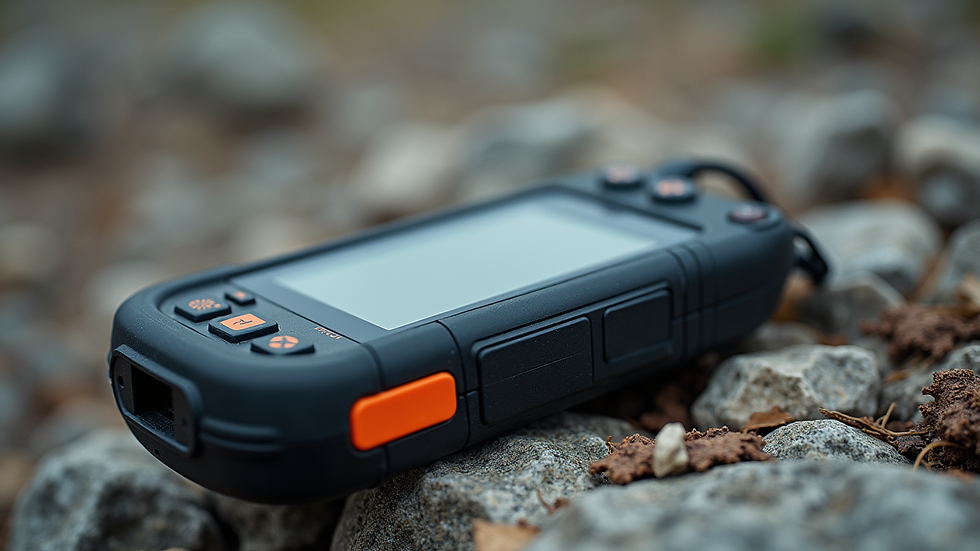
Rugged industrial handhelds are built with durability as a priority. Unlike consumer-grade devices, they are designed to resist drops, shocks, dust, water, and extreme temperatures. This toughness ensures minimal downtime and reduces replacement costs.
Key features include:
Shock and Drop Resistance: Tested to military standards (MIL-STD-810G or higher), these devices survive falls from several feet onto concrete.
Ingress Protection (IP) Ratings: High IP ratings (IP65, IP67, or IP68) guarantee protection against dust and water immersion.
Extended Battery Life: Long-lasting batteries support full shifts without recharging, critical for fieldwork.
Sunlight-Readable Displays: Screens remain visible in bright outdoor conditions.
Glove-Friendly Touchscreens: Capacitive or resistive touchscreens work with gloves, essential for industrial settings.
These features combine to create devices that perform reliably where others fail.

Applications of Rugged Industrial Handhelds
Rugged industrial handhelds serve a wide range of industries and applications. Their versatility and durability make them indispensable in environments where standard devices would quickly break down.
Warehousing and Logistics
In warehouses, these handhelds streamline inventory management, barcode scanning, and order fulfillment. Their durability ensures they withstand constant handling and occasional drops. The devices often integrate with warehouse management systems (WMS) to provide real-time data.
Field Service and Maintenance
Technicians working outdoors or in harsh conditions rely on rugged handhelds for accessing manuals, logging service reports, and communicating with dispatch. The devices’ resistance to weather and rough handling ensures uninterrupted productivity.
Manufacturing and Production
On factory floors, rugged handhelds track parts, monitor production lines, and facilitate quality control. Their ability to resist dust, chemicals, and vibrations makes them ideal for industrial settings.
Public Safety and Emergency Services
First responders use rugged handhelds for communication, data access, and navigation. The devices’ reliability under extreme conditions can be critical during emergencies.
Agriculture and Environmental Monitoring
In agriculture, rugged handhelds assist with crop management, soil analysis, and equipment monitoring. Their resistance to dirt, moisture, and temperature fluctuations supports outdoor use.
Choosing the Right Rugged Industrial Handheld
Selecting the right device depends on specific operational needs. Consider these factors:
Environment: Assess exposure to dust, water, temperature extremes, and impact risks.
Connectivity: Ensure support for Wi-Fi, cellular, Bluetooth, or other required communication protocols.
Data Capture: Determine if barcode scanning, RFID, GPS, or other data collection features are necessary.
Ergonomics: Choose a device that fits comfortably in hand and suits the work style.
Operating System: Select between Android, Windows, or other platforms based on software compatibility.
Battery Life: Match battery capacity to shift length and charging opportunities.
By evaluating these criteria, businesses can find devices that maximize efficiency and durability.

Maintenance and Longevity Tips
Proper care extends the life of rugged industrial handhelds and protects your investment. Follow these guidelines:
Regular Cleaning: Remove dust and debris using soft cloths and approved cleaning agents.
Battery Care: Avoid overcharging and extreme temperatures to preserve battery health.
Software Updates: Keep firmware and applications current to maintain security and performance.
Protective Accessories: Use holsters, screen protectors, and cases designed for your device.
Routine Inspections: Check for physical damage and address issues promptly.
Implementing a maintenance routine reduces downtime and repair costs.
Why Rugged Handheld Computers Are Essential
In industries where failure is not an option, rugged handheld computers provide unmatched reliability. They enable accurate data collection, real-time communication, and seamless workflow integration. Their robust design minimizes disruptions caused by environmental challenges.
For businesses aiming to expand their reach across critical industries, investing in rugged handheld computers is a strategic move. These devices ensure operations continue without interruption, even in the harshest conditions.
Choosing the right rugged industrial handheld means choosing resilience, efficiency, and peace of mind. It’s a decision that supports growth and operational excellence.
This overview highlights the essential features and practical uses of rugged industrial handhelds. By understanding their capabilities and applications, businesses can make informed decisions that enhance productivity and durability in challenging environments.


Comments