Choosing Durable Field Data Collectors: A Field Collector Durability Guide
Selecting the right field data collector is critical for businesses operating in tough industrial and field environments. These devices must withstand harsh conditions while delivering reliable performance. I have worked extensively with rugged hardware and understand the importance of durability in field data collection. This guide will help you identify key factors to consider when choosing equipment that can endure the challenges of your worksite.
Understanding the Field Collector Durability Guide
Durability is not just about a device’s ability to survive drops or water exposure. It encompasses resistance to dust, extreme temperatures, vibration, and long-term wear. When evaluating field data collectors, I focus on several core attributes:
Build quality: Look for devices with reinforced frames, shock-absorbing materials, and sealed ports.
Ingress Protection (IP) rating: This indicates resistance to dust and water. An IP67 or higher rating is ideal for most field conditions.
Operating temperature range: Devices should function reliably in both freezing cold and scorching heat.
Battery life: Long-lasting batteries reduce downtime and improve productivity.
Screen durability: Gorilla Glass or similar toughened glass protects against scratches and impacts.
These factors ensure the device remains operational and accurate, even in the most demanding environments.
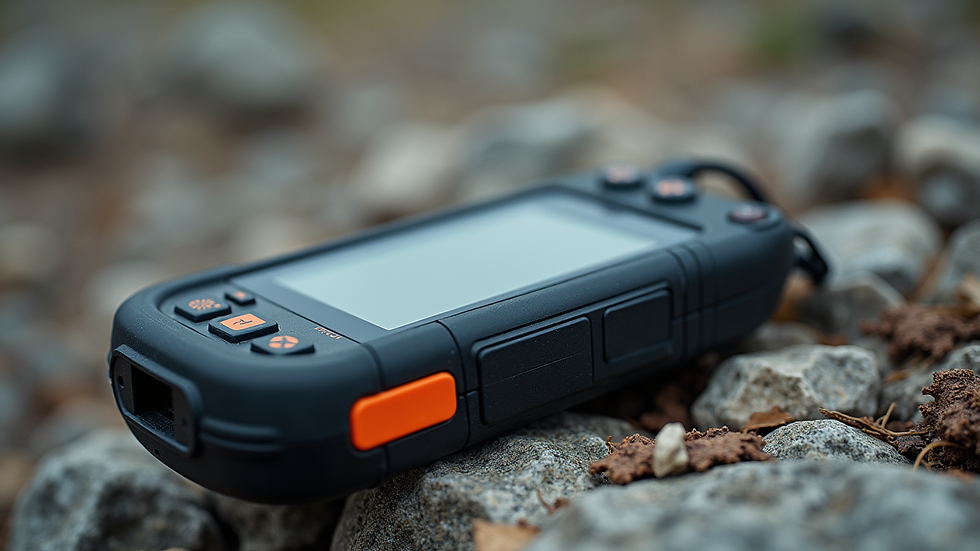
Key Features to Prioritize in Rugged Devices
When choosing a field data collector, prioritize features that directly impact durability and usability:
Shock and Drop Resistance
Devices should meet military standards such as MIL-STD-810G or newer. This certification guarantees the device can survive multiple drops from typical working heights without damage.
Water and Dust Protection
An IP rating of IP67 or IP68 means the device is dust-tight and can handle immersion in water. This is essential for outdoor work in rain, mud, or dusty environments.
Display and Input Options
Touchscreens must work with gloves and wet fingers. Some devices offer physical buttons or stylus input for precision and reliability.
Connectivity and Data Storage
Reliable wireless options (Wi-Fi, LTE, Bluetooth) ensure data syncs in real-time. Ample onboard storage prevents data loss when connectivity is unavailable.
Battery and Power Management
Fieldwork often means long hours without access to charging. Devices with hot-swappable batteries or extended battery life keep operations running smoothly.
Ergonomics and Weight
A durable device should also be comfortable to hold and carry. Lightweight designs reduce fatigue during extended use.
Practical Recommendations for Field Data Collector Durability
Based on my experience, here are actionable tips to maximize the durability and effectiveness of your field data collectors:
Test devices in your actual work environment before committing to a purchase. Simulate drops, exposure to dust, and temperature extremes.
Invest in protective accessories such as rugged cases, screen protectors, and hand straps to extend device life.
Train staff on proper handling and maintenance to avoid accidental damage.
Plan for regular maintenance and software updates to keep devices running optimally.
Consider modular devices that allow easy replacement of batteries or damaged parts without full device replacement.
These steps reduce downtime and repair costs, ensuring your data collection remains uninterrupted.

Why Durability Matters for Industrial and Field Operations
In challenging environments, equipment failure can halt operations, cause data loss, and increase costs. Durable field data collectors minimize these risks by:
Ensuring continuous data capture even in adverse weather or rough handling.
Reducing repair and replacement expenses through robust construction.
Improving worker efficiency by providing reliable tools that function as expected.
Supporting compliance and safety by maintaining accurate records without interruption.
Choosing the right device is an investment in operational resilience and long-term success.
Final Thoughts on Selecting the Right Field Data Collector
Selecting the right durable field data collectors requires a clear understanding of your operational challenges and device capabilities. Focus on proven durability standards, practical features, and real-world testing. This approach ensures you acquire equipment that stands up to the toughest conditions and supports your business goals effectively.
By prioritizing ruggedness and reliability, you safeguard your data collection process and maintain productivity in the harshest environments. The right choice today will pay dividends in operational continuity and cost savings tomorrow.


Comments