Rugged Industrial Handhelds: Features and Uses
- john39366
- Feb 25
- 3 min read
In demanding industrial and field environments, standard devices often fail to meet the rigorous requirements of daily operations. That is where rugged industrial handhelds come into play. These devices are engineered to withstand harsh conditions while delivering reliable performance. They are essential tools for businesses that require durable, efficient data collection and communication solutions.
What Makes Rugged Industrial Handhelds Different?
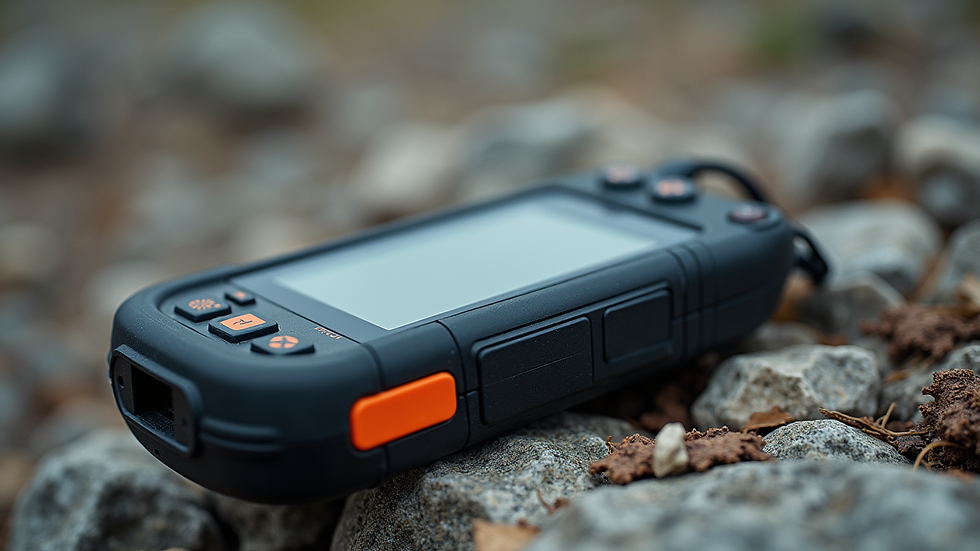
Rugged industrial handhelds are built with durability as a priority. Unlike consumer-grade devices, they endure drops, shocks, vibrations, extreme temperatures, dust, and water exposure. This resilience ensures continuous operation in environments such as warehouses, manufacturing plants, construction sites, and outdoor fieldwork.
Key features include:
Reinforced casing: Often made from high-impact plastics or metal alloys.
Sealed ports and connectors: To prevent dust and moisture ingress.
Shock-absorbing design: Internal components are cushioned to survive falls.
Temperature tolerance: Operate reliably in freezing cold or scorching heat.
Long battery life: Supports extended shifts without frequent recharging.
These features reduce downtime and maintenance costs. They also improve worker productivity by providing dependable tools that function where others fail.

Essential Features for Industrial Use
When selecting rugged industrial handhelds, focus on features that align with your operational needs. Here are some critical aspects to consider:
Display and Input
The screen must be readable in bright sunlight and responsive to gloved fingers. Many models offer sunlight-readable LCD or OLED displays with capacitive touchscreens optimized for industrial gloves. Some devices include physical keypads for faster data entry in certain applications.
Connectivity Options
Reliable communication is vital. Look for devices supporting multiple wireless standards such as Wi-Fi, Bluetooth, LTE, and even 5G. GPS functionality is also important for location tracking and navigation in field operations.
Data Capture Capabilities
Integrated barcode scanners, RFID readers, and cameras enable quick and accurate data collection. These tools streamline inventory management, asset tracking, and quality control processes.
Software Compatibility
Ensure the handheld supports your existing software or can run custom applications. Many rugged devices operate on Android or Windows platforms, providing flexibility for integration.
Battery and Power Management
Extended battery life is crucial. Some models offer hot-swappable batteries to avoid downtime during shifts. Power-saving modes and fast charging capabilities enhance operational efficiency.
Practical Applications of Rugged Industrial Handhelds
Rugged industrial handhelds serve a wide range of industries and use cases. Their versatility makes them indispensable in environments where reliability and durability are non-negotiable.
Warehousing and Logistics
In warehouses, these devices facilitate inventory tracking, order picking, and shipment verification. Their durability ensures they withstand constant handling and occasional drops. Real-time data capture improves accuracy and speeds up workflows.
Field Service and Maintenance
Technicians working outdoors or in harsh conditions rely on rugged handhelds for accessing manuals, logging service reports, and communicating with dispatch. GPS and connectivity features help optimize routes and improve response times.
Manufacturing and Production
On the factory floor, rugged handhelds assist with quality inspections, equipment monitoring, and parts tracking. Their resistance to dust, moisture, and vibrations makes them ideal for industrial settings.
Construction and Engineering
Construction sites demand devices that can handle dust, dirt, and rough handling. Rugged handhelds support project management, material tracking, and safety inspections, helping keep projects on schedule.

Choosing the Right Rugged Handheld Computer
Selecting the right device requires assessing your specific operational challenges and requirements. Here are steps to guide the decision:
Identify environmental conditions: Consider temperature ranges, exposure to water or dust, and likelihood of drops or impacts.
Define functional needs: Determine necessary data capture methods, connectivity options, and software compatibility.
Evaluate ergonomics: Choose devices that are comfortable to hold and operate for extended periods.
Consider total cost of ownership: Factor in device cost, maintenance, support, and expected lifespan.
Test devices in real conditions: Whenever possible, trial units in your work environment to verify performance.
Partnering with a trusted supplier who understands rugged device requirements can simplify this process and ensure you get the best fit for your business.
Maximizing Efficiency with Rugged Handheld Technology
Integrating rugged handheld technology into your operations can transform workflows and boost productivity. To maximize benefits:
Train staff thoroughly: Proper use and care extend device life and improve data accuracy.
Implement software solutions: Use applications tailored to your industry for streamlined processes.
Maintain devices regularly: Clean and inspect devices to prevent failures.
Leverage data analytics: Use collected data to optimize inventory, maintenance schedules, and field operations.
By adopting rugged handheld computers, businesses gain a competitive edge through reliable, efficient data management in the toughest environments.
For businesses needing tough, reliable data collection hardware, rugged handheld computers offer unmatched durability and performance. They keep operations running smoothly in the harshest environments and help expand reach across critical industries. Choosing the right rugged industrial handhelds is an investment in operational resilience and long-term success.


Comments