Durable Field Data Collectors: A Guide to Field Data Recording Devices
- john39366
- Feb 16
- 3 min read
Collecting data in tough environments demands equipment that can withstand harsh conditions. Field data recording devices must be rugged, reliable, and efficient. I have worked with many businesses that operate in challenging industrial and field environments. Their success depends on choosing the right tools. This guide breaks down what makes a device durable and how to select the best one for your needs.
Understanding Field Data Recording Devices
Field data recording devices are specialized tools designed to capture, store, and sometimes transmit data collected outside of controlled office settings. These devices are essential in industries like construction, agriculture, mining, and environmental monitoring. They replace traditional paper forms and manual entry, reducing errors and speeding up workflows.
The key features to look for include:
Ruggedness: Devices must resist drops, dust, water, and extreme temperatures.
Battery Life: Long-lasting power is critical for extended fieldwork.
Connectivity: Options like Wi-Fi, Bluetooth, or cellular enable real-time data transfer.
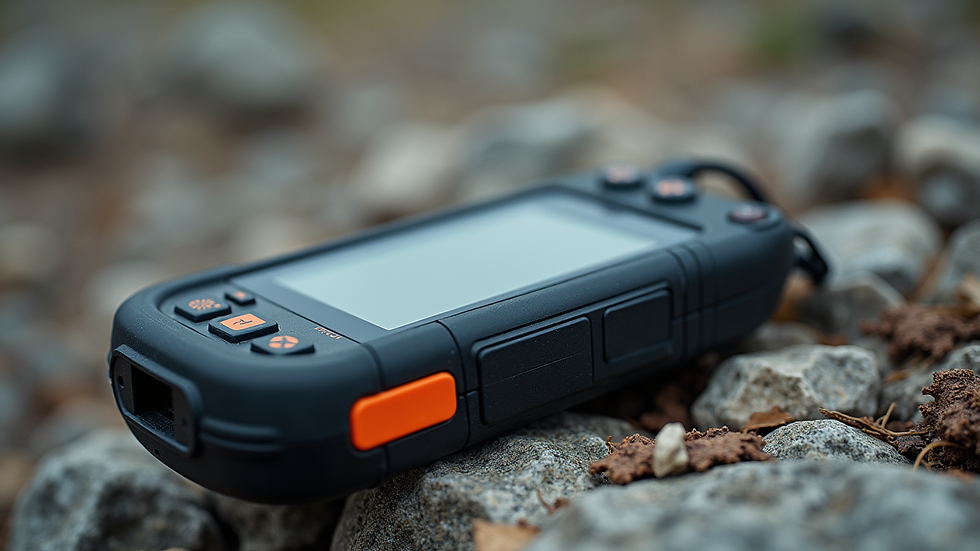
User Interface: Touchscreens or physical buttons should be easy to use with gloves or in wet conditions.
Data Storage: Sufficient memory and options for cloud backup ensure data security.
Choosing the right device depends on the specific environment and tasks. For example, a forestry worker needs a different setup than a utility inspector.

Key Features of Reliable Field Data Recording Devices
When selecting field data recording devices, focus on durability and functionality. Here are the critical aspects to consider:
Durability Standards
Look for devices that meet military-grade standards such as MIL-STD-810G or IP ratings like IP67 or IP68. These certifications guarantee resistance to shock, vibration, dust, and water immersion.
Display and Input
A bright, sunlight-readable screen is essential for outdoor use. Capacitive touchscreens work well but may struggle with gloves. Devices with physical buttons or stylus support offer better usability in harsh conditions.
Battery and Power Management
Fieldwork often means long hours without access to charging. Devices with removable batteries or extended battery packs provide flexibility. Some models support fast charging or solar charging accessories.
Data Management and Security
Secure data storage and encryption protect sensitive information. Integration with cloud services or enterprise software streamlines data handling and reduces the risk of loss.
Connectivity Options
Reliable connectivity options allow for immediate data upload and communication. Cellular-enabled devices offer the most flexibility, while Wi-Fi and Bluetooth are useful for local syncing.
Choosing the Right Device for Your Industry
Different industries have unique requirements. Here’s a breakdown of common sectors and what to prioritize:
Construction and Engineering
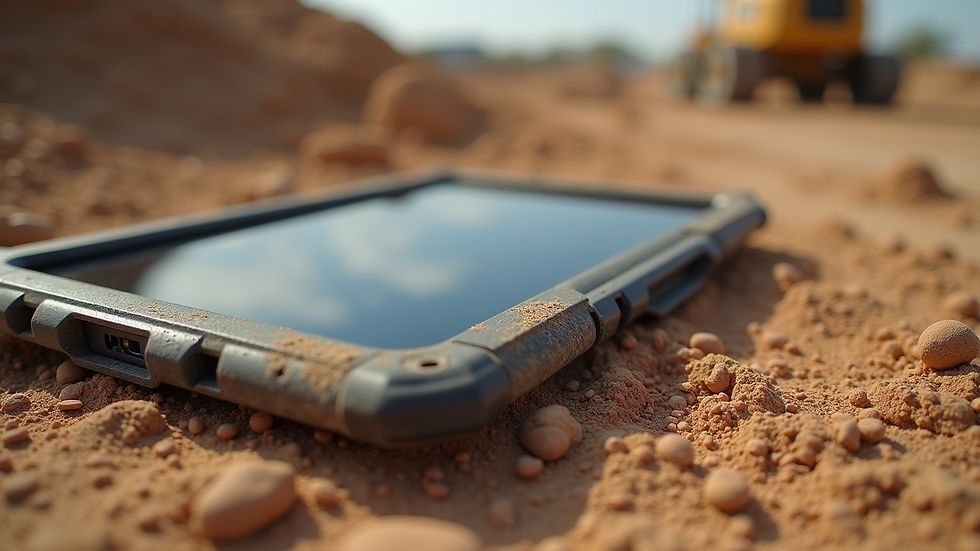
Devices must survive drops from heights and exposure to dust and concrete debris. A rugged tablet with a large screen and stylus support is ideal for blueprints and detailed notes.
Agriculture and Environmental Monitoring
Water resistance and long battery life are crucial. Devices with GPS and sensors for environmental data collection enhance productivity.
Utilities and Field Services
Compact, lightweight devices with strong connectivity options help technicians access and update records on the go.
Mining and Oil & Gas
Extreme temperature tolerance and explosion-proof certifications may be necessary. Devices should also support offline data collection due to limited connectivity.

How to Maintain and Extend the Life of Your Devices
Even the toughest devices need proper care to maximize lifespan. Follow these tips:
Regular Cleaning: Remove dust and dirt using soft cloths and approved cleaning solutions.
Protective Cases: Use additional cases or screen protectors to prevent scratches and impact damage.
Battery Care: Avoid overcharging and store devices in cool, dry places when not in use.
Software Updates: Keep firmware and apps updated to improve performance and security.
Training: Ensure users understand how to operate devices correctly and handle them with care.
Proper maintenance reduces downtime and replacement costs, keeping operations running smoothly.
Why Invest in Durable Field Data Collectors
Investing in durable field data collectors pays off by minimizing equipment failure and data loss. These devices are engineered to perform under pressure, ensuring accurate data capture regardless of conditions. Businesses relying on them experience fewer disruptions and better decision-making based on reliable information.
The right device also improves worker safety by reducing the need for manual paperwork and enabling faster communication. It supports scalability as operations grow and adapt to new challenges.
Final Thoughts on Field Data Recording Devices
Selecting the right field data recording devices is a strategic decision. It requires balancing ruggedness, usability, and technology features. Prioritize devices that meet industry standards and fit your specific operational needs. Regular maintenance and user training will extend device life and maximize return on investment.
With the right tools, businesses can confidently collect and manage data in the harshest environments. This leads to improved efficiency, safety, and overall success in critical industries.

Comments