The Importance of Rugged Handheld Technology in Industry
- john39366
- Feb 2
- 3 min read
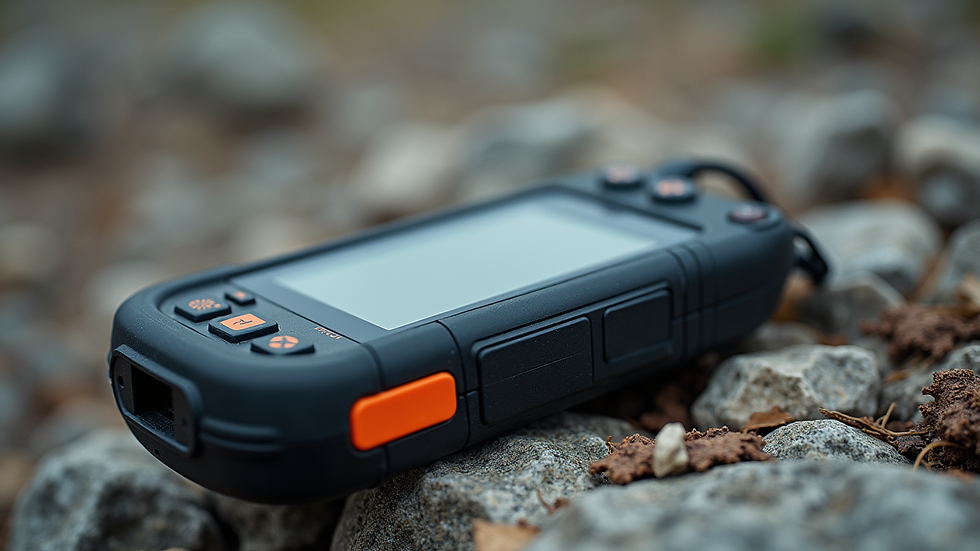
In demanding industrial and field environments, equipment failure is not an option. Operations depend on devices that can withstand harsh conditions without compromising performance. Rugged handheld technology has become essential for businesses that require reliable, durable tools to collect and manage data efficiently. These devices are engineered to endure drops, dust, moisture, and extreme temperatures, ensuring continuous productivity where standard consumer electronics would fail.
Why Rugged Handheld Technology Matters
Industrial settings are unforgiving. Workers face dirt, water, vibrations, and impacts daily. Traditional handheld devices often break down quickly under such stress, leading to costly downtime and lost data. Rugged handheld technology addresses these challenges head-on. It offers:
Durability: Built with reinforced frames and shock-absorbent materials.
Water and Dust Resistance: Certified with IP ratings to survive exposure.
Extended Battery Life: Designed to last entire shifts without recharging.
Reliable Connectivity: Supports multiple wireless standards for seamless communication.
These features translate into fewer repairs, less downtime, and higher operational efficiency. For example, in warehouse logistics, rugged handheld devices streamline inventory management by scanning barcodes quickly and accurately, even in dusty or wet conditions. This reduces errors and speeds up order fulfillment.

Key Applications of Rugged Handheld Technology
Rugged handheld technology is versatile and finds use across various industries:
Manufacturing: Monitoring production lines, tracking parts, and quality control.
Field Service: Accessing work orders, capturing signatures, and reporting issues on-site.
Transportation and Logistics: Managing shipments, scanning packages, and route optimization.
Construction: Recording measurements, managing materials, and communicating with teams.
Public Safety: Supporting emergency responders with real-time data access.
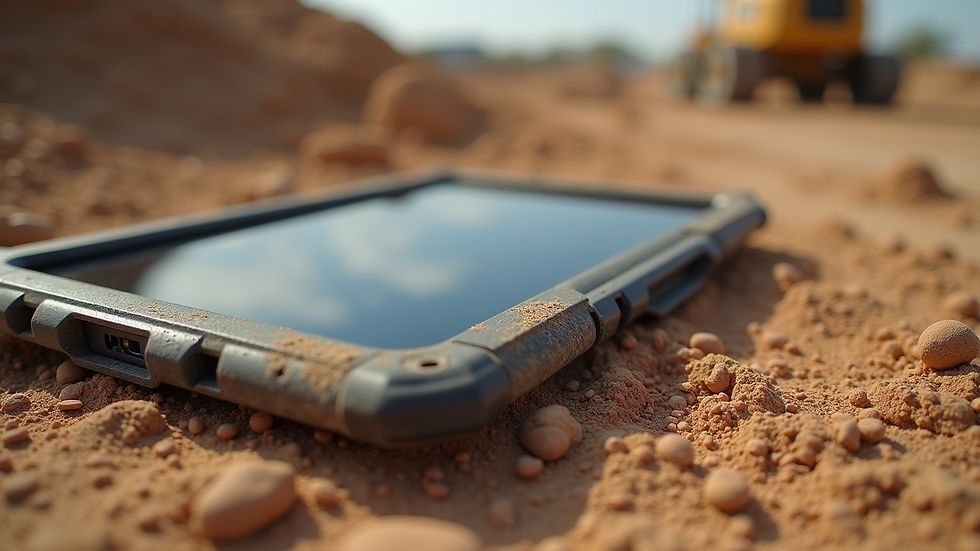
Each application benefits from devices that maintain functionality despite environmental challenges. For instance, construction sites expose devices to dust, mud, and drops from heights. Rugged handheld technology ensures data collection continues uninterrupted, improving project timelines and safety compliance.
Choosing the Right Rugged Handheld Device
Selecting the appropriate device requires understanding specific operational needs. Consider these factors:
Environmental Conditions: Identify exposure to water, dust, temperature extremes, and impact risks.
Performance Requirements: Evaluate processing power, memory, and software compatibility.
Battery Life: Ensure the device can operate for the required duration without frequent charging.
Ergonomics: Choose a device comfortable for extended use, with intuitive controls.
Connectivity Options: Confirm support for Wi-Fi, Bluetooth, cellular networks, or GPS as needed.
For example, a field technician working in remote locations may prioritize long battery life and cellular connectivity. Meanwhile, a warehouse worker might need a device optimized for barcode scanning and Wi-Fi access.
Enhancing Productivity with Rugged Handheld Computers
Integrating rugged handheld computers into workflows can significantly boost productivity. These devices enable real-time data capture and instant communication, reducing manual paperwork and errors. They also support specialized software tailored to industry-specific tasks.
To maximize benefits:
Train Staff Thoroughly: Ensure users understand device capabilities and maintenance.
Implement Robust Software Solutions: Use applications that leverage device features fully.
Maintain Devices Regularly: Schedule inspections and cleanings to extend lifespan.
Plan for Scalability: Choose devices that can adapt to growing operational demands.
By following these steps, businesses can reduce operational bottlenecks and improve data accuracy, leading to better decision-making and customer satisfaction.

Future Trends in Rugged Handheld Technology
The evolution of rugged handheld technology continues to align with industry needs. Emerging trends include:
Enhanced Connectivity: Integration of 5G for faster, more reliable data transfer.
Improved User Interfaces: Larger, brighter screens with glove and wet-touch capabilities.
Advanced Sensors: Incorporation of environmental and biometric sensors for safety monitoring.
AI and Machine Learning: Devices that assist with predictive maintenance and workflow optimization.
Sustainability: Focus on energy-efficient components and recyclable materials.
Staying informed about these developments helps businesses invest in technology that remains relevant and competitive.
Making Rugged Handheld Technology Work for You
Choosing and deploying rugged handheld technology is a strategic decision. It requires balancing cost, durability, and functionality to meet operational demands. I recommend partnering with experts who understand the unique challenges of industrial environments. They can guide you to the best solutions, ensuring your investment delivers maximum value.
For businesses operating in tough conditions, rugged handheld computers are not just tools - they are critical assets. They keep operations running smoothly, protect data integrity, and empower teams to perform at their best, no matter the environment. Investing in the right rugged handheld technology today sets the foundation for operational success tomorrow.

Comments