Durable Field Data Collectors: A Guide to Field Data Recording Devices
- john39366
- Mar 17
- 4 min read
Collecting accurate data in tough environments demands equipment that can withstand harsh conditions. Field data recording devices must be rugged, reliable, and efficient. Over the years, I have seen how the right tools can transform operations in industries like construction, agriculture, utilities, and environmental monitoring. This guide breaks down what makes a field data recording device durable and how to choose one that fits your needs.
Understanding Field Data Recording Devices
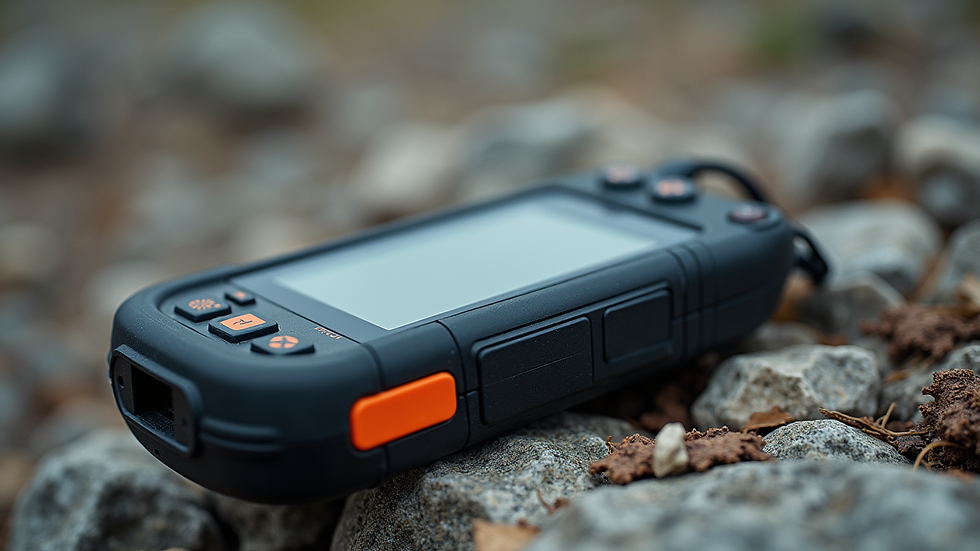
Field data recording devices are specialized tools designed to capture, store, and sometimes transmit data collected outside controlled environments. These devices vary widely, from handheld tablets and barcode scanners to GPS units and environmental sensors. The key is their ability to operate reliably in conditions that would damage typical consumer electronics.
Key Features of Field Data Recording Devices
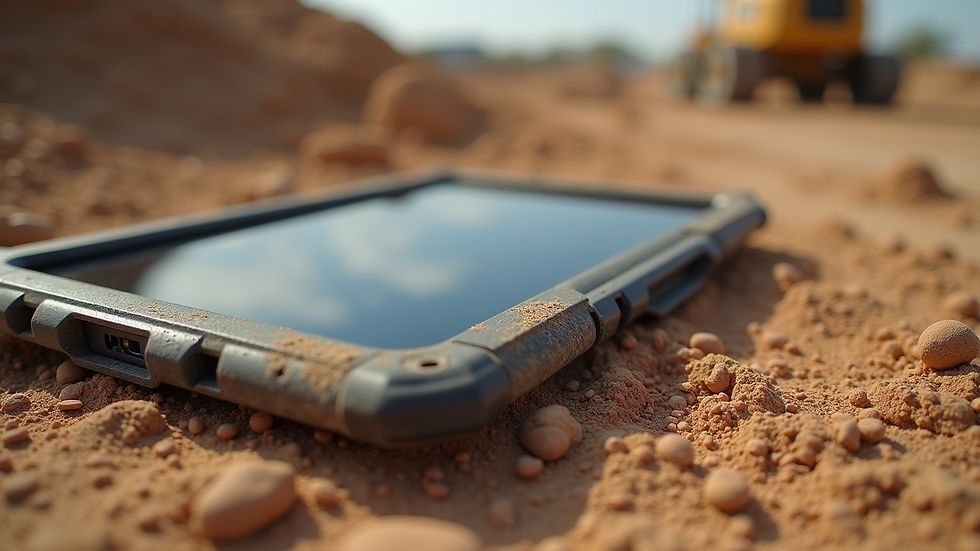
Rugged Construction: Devices must resist drops, shocks, dust, and water. Look for IP ratings (e.g., IP67) and MIL-STD-810 certifications.
Battery Life: Long-lasting batteries ensure uninterrupted data collection during extended fieldwork.
Display and Input: Screens should be readable in bright sunlight and operable with gloves or wet hands.
Connectivity: Options like Wi-Fi, Bluetooth, and cellular data help sync information in real time.
Storage Capacity: Sufficient memory to hold large datasets without frequent offloading.
These features ensure that field data recording devices can handle the demands of industrial and outdoor environments.

Selecting the Right Field Data Recording Devices for Your Business
Choosing the right device depends on the specific challenges your operations face. Here are some practical considerations:
Environmental Conditions
Temperature Extremes: Devices should operate in freezing cold or scorching heat without failure.
Moisture and Dust: Waterproof and dustproof designs prevent damage from rain, mud, or dust storms.
Physical Impact: Drop resistance is critical when devices are used on construction sites or rough terrain.
Data Requirements
Type of Data: Whether you need to capture text, images, GPS coordinates, or sensor readings affects device choice.
Data Volume: Large projects require devices with ample storage and fast data transfer capabilities.
Real-Time Access: If immediate data access is necessary, prioritize devices with strong connectivity options.
Usability and Ergonomics
Ease of Use: Intuitive interfaces reduce training time and errors.
Portability: Lightweight and compact devices improve mobility.
Battery Management: Swappable batteries or fast charging can keep operations running longer.
Budget and Support
Initial Cost vs. Longevity: Investing in durable devices reduces replacement frequency and downtime.
Warranty and Service: Reliable customer support and repair services are essential for minimizing disruptions.
By evaluating these factors, you can select field data recording devices that align with your operational goals and environment.
Why Durability Matters in Field Data Collection
In demanding industries, equipment failure can halt projects and increase costs. That is why I emphasize the importance of durable field data collectors. These devices are engineered to survive conditions that would destroy standard electronics.
Real-World Examples
Construction Sites: Devices dropped from scaffolding or exposed to concrete dust must keep working.
Agricultural Fields: Equipment faces mud, water, and temperature swings daily.
Utilities Maintenance: Devices used in confined spaces or outdoors require shock resistance and long battery life.
Durability reduces downtime, protects data integrity, and ensures continuous workflow. It also lowers total cost of ownership by minimizing repairs and replacements.

Maintenance and Best Practices for Field Data Recording Devices
Even the toughest devices need proper care to maximize lifespan and performance. Here are some best practices I recommend:
Regular Cleaning: Remove dirt and debris using soft cloths and approved cleaning agents.
Battery Care: Follow manufacturer guidelines for charging cycles and storage.
Software Updates: Keep firmware and applications up to date to improve security and functionality.
Protective Accessories: Use cases, screen protectors, and mounts to reduce wear and tear.
Training: Ensure users understand how to operate and care for devices properly.
Implementing these steps helps maintain device reliability and reduces unexpected failures.
Future Trends in Field Data Recording Devices
Technology continues to evolve, offering new capabilities for field data collection. Here are some trends to watch:
Enhanced Connectivity: 5G and satellite communication will improve data transfer in remote areas.
AI Integration: On-device AI can analyze data in real time, speeding decision-making.
Improved Sensors: More precise and diverse sensors will expand data collection possibilities.
Extended Battery Life: Advances in battery technology will support longer field operations.
Modular Designs: Customizable devices allow businesses to tailor hardware to specific tasks.
Staying informed about these trends helps businesses plan for future upgrades and maintain competitive advantage.
Maximizing Efficiency with the Right Tools
Choosing and maintaining the right field data recording devices is critical for operational success in challenging environments. Durable, reliable equipment minimizes downtime and ensures data accuracy. By focusing on ruggedness, usability, and support, businesses can keep their workflows smooth and expand their reach across critical industries.
Investing in quality field data recording devices is not just about hardware - it’s about securing the foundation for efficient, data-driven operations that withstand the toughest conditions.

Comments