Benefits of Using Durable Data Collection Devices
- john39366
- Jan 12
- 3 min read
In demanding industrial and field environments, reliable data collection is critical. Equipment failure or data loss can cause costly delays and operational setbacks. That is why investing in durable data collection devices is essential. These tools are designed to withstand harsh conditions and deliver consistent performance. I will explain the key benefits of using these rugged devices and how they can improve your operations.
Why Durable Data Collection Devices Matter
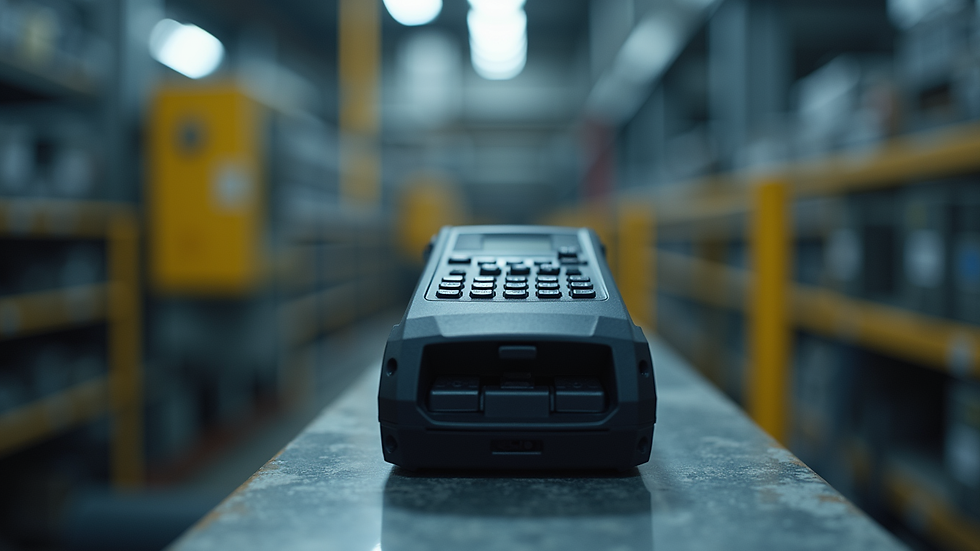
Data collection devices used in the field face many challenges. Exposure to dust, water, extreme temperatures, and physical impacts can quickly damage standard equipment. Durable data collection devices are built to resist these hazards. They feature reinforced casings, sealed ports, and shock-absorbing materials. This rugged construction ensures the device continues to function even in the toughest environments.
For example, a construction site often has dust and debris flying around. A durable device with an IP67 rating can resist dust ingress and survive accidental drops. This reduces downtime caused by equipment repairs or replacements. It also protects the integrity of the data collected, which is vital for accurate reporting and decision-making.

Key Features of Durable Data Collection Devices
Durable data collection devices come with specific features that make them ideal for industrial use:
Shock and drop resistance: Devices are tested to survive multiple drops from significant heights.
Water and dust proofing: IP ratings ensure protection against water jets and dust particles.
Extended battery life: Long-lasting batteries support full shifts without recharging.
Sunlight-readable screens: Displays remain visible in bright outdoor conditions.
Ergonomic design: Comfortable grips and intuitive interfaces reduce user fatigue.
Multiple connectivity options: Support for Wi-Fi, Bluetooth, and cellular networks enables real-time data transfer.
These features combine to create a tool that performs reliably in the field. For instance, a utility worker inspecting power lines can use a durable device to record readings without worrying about rain or accidental drops.
How Durable Data Collection Devices Improve Efficiency
Using rugged devices directly impacts operational efficiency. Here are some ways they help:
Minimize downtime: Durable devices reduce the frequency of repairs and replacements.
Enhance data accuracy: Reliable hardware prevents data loss or corruption.
Speed up data entry: User-friendly interfaces and fast processors enable quick input.
Enable real-time updates: Connectivity options allow instant data sharing with the office.
Support harsh environment use: Devices function in extreme temperatures and weather conditions.
For example, in oil and gas fields, workers can collect and transmit data on equipment status without returning to base. This real-time insight helps managers make faster decisions and avoid costly failures.
Practical Recommendations for Choosing Durable Data Collection Devices
Selecting the right durable data collection device depends on your specific needs. Consider these factors:
Environment: Assess the conditions the device will face, such as temperature range, moisture, and dust levels.
Data type: Determine if you need barcode scanning, GPS, or other specialized sensors.
Connectivity: Choose devices that support your preferred communication methods.
Battery life: Ensure the device can last through your longest work shifts.
Ergonomics: Test devices for comfort and ease of use during extended periods.
Vendor support: Opt for suppliers offering warranties, repairs, and software updates.
By carefully evaluating these aspects, you can select a device that maximizes productivity and durability.

The Role of Durable Field Data Collectors in Modern Operations
Incorporating durable field data collectors into your workflow transforms how data is gathered and managed. These devices enable seamless integration of field data into enterprise systems. They reduce manual errors and improve traceability.
For example, in agriculture, rugged data collectors help monitor crop conditions and equipment status. This data supports precision farming techniques that increase yields and reduce waste. In logistics, durable devices track shipments and inventory in real time, enhancing supply chain visibility.
The investment in rugged hardware pays off through improved operational resilience and data-driven decision-making.
Maximizing ROI with Durable Data Collection Devices
Durable data collection devices offer a strong return on investment. Their robustness lowers maintenance costs and extends device lifespan. Reliable data capture reduces errors that can lead to financial losses. Faster data processing accelerates workflows and boosts productivity.
To maximize ROI:
Train staff thoroughly on device use and maintenance.
Implement regular device inspections and cleaning.
Use protective accessories like cases and screen protectors.
Keep software updated to leverage new features and security patches.
These practices ensure your devices perform optimally and deliver long-term value.
Final Thoughts on Durable Data Collection Devices
Choosing durable data collection devices is a strategic decision for businesses operating in challenging environments. These rugged tools provide reliability, accuracy, and efficiency that standard devices cannot match. They protect your data and keep operations running smoothly despite harsh conditions.
Investing in quality hardware and proper maintenance will pay dividends in reduced downtime, improved data quality, and enhanced operational control. Durable data collection devices are not just tools - they are essential assets for success in demanding industrial and field settings.


Comments