Choosing Barcode Scanners: Selecting the Right Bar Code Scanner for Tough Environments
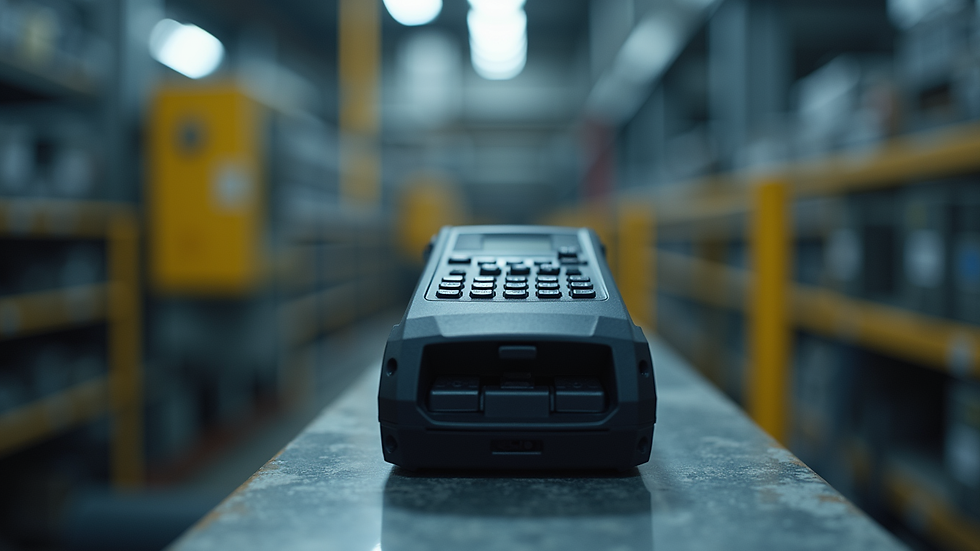
Choosing the right bar code scanner is critical for businesses operating in challenging industrial and field environments. The right device ensures smooth data collection, reduces downtime, and withstands harsh conditions. I have worked extensively with rugged devices and understand the importance of matching the scanner to your specific operational needs. This guide breaks down the key factors to consider when selecting a bar code scanner that will perform reliably and efficiently.
Understanding Your Environment and Operational Needs
Before diving into technical specifications, assess the environment where the scanner will be used. Industrial and field settings often expose devices to dust, moisture, extreme temperatures, and physical impacts. Knowing these conditions upfront helps narrow down the options.
Temperature range: Will the scanner be used in freezing cold or scorching heat? Devices with wide operating temperature ranges are essential.
Exposure to elements: Consider water resistance and dustproof ratings (IP ratings). An IP65 or higher rating is often necessary.
Physical durability: Look for scanners with military-grade drop test certifications (MIL-STD-810G or similar).
Usage frequency: High-volume scanning requires devices with fast processing and comfortable ergonomics to reduce operator fatigue.
Understanding these factors ensures you select a scanner that won’t fail when you need it most.
Key Features to Look for When Choosing Barcode Scanners
When evaluating scanners, focus on features that directly impact performance and durability in tough environments.
Scanning technology: Laser scanners excel at reading 1D barcodes quickly, while imager scanners handle 2D barcodes and damaged labels better.
Connectivity options: Choose between wired, Bluetooth, or Wi-Fi depending on mobility needs and infrastructure.
Battery life: For field use, long battery life is non-negotiable. Look for devices that support quick battery swaps or fast charging.
Ergonomics and weight: A lightweight, well-balanced scanner reduces strain during extended use.
Software compatibility: Ensure the scanner integrates seamlessly with your existing data systems and software platforms.
Customization and programmability: Some scanners allow you to configure scanning modes or data formatting to fit your workflow.
Prioritize features that align with your operational demands to maximize efficiency and reliability.
Which type of barcode scanner is best?
Choosing the best type depends on the specific application and environment.
Laser scanners: Best for fast, accurate reading of 1D barcodes on flat surfaces. They have a longer read range but struggle with damaged or poorly printed codes.
CCD scanners: Use an array of sensors to capture barcode images. They are durable and good for close-range scanning but limited to 1D codes.
2D imagers: Capture images of barcodes and decode both 1D and 2D codes. They perform well on damaged or poorly printed labels and can scan from screens.
Pen-type scanners: Require physical contact with the barcode and are less common in industrial settings due to fragility.
Wearable scanners: Ideal for hands-free operation in fast-paced environments, improving productivity.
For rugged industrial use, 2D imagers often provide the best balance of versatility and durability. They handle a variety of barcode types and conditions, making them suitable for complex workflows.

Practical Recommendations for Rugged Environments
Based on experience, here are actionable tips for selecting scanners that thrive in harsh conditions:
Choose devices with high IP ratings - At least IP65 to protect against dust and water jets.
Verify drop resistance - Look for devices tested to withstand drops from 6 feet or higher onto concrete.
Opt for extended temperature range - Devices rated for -20°C to 50°C cover most industrial scenarios.
Consider scanning speed and accuracy - Fast decoding reduces bottlenecks in busy workflows.
Test battery endurance - Select scanners that last a full shift or more without recharging.
Ensure compatibility with your software - Avoid integration headaches by confirming support for your data systems.
Plan for maintenance and support - Choose vendors offering reliable service and easy access to replacement parts.
These steps help avoid costly downtime and ensure your scanning operations remain uninterrupted.
Maximizing ROI with the Right Scanner Choice
Investing in the right bar code scanner pays off through increased productivity and reduced operational risks. A rugged scanner minimizes repair costs and replacement frequency. It also improves data accuracy, which is critical for inventory management, asset tracking, and compliance.
To maximize return on investment:
Match the scanner to your workflow - Avoid overpaying for features you don’t need or under-specifying devices that fail prematurely.
Train operators thoroughly - Proper use extends device life and improves scanning efficiency.
Monitor performance regularly - Track error rates and downtime to identify when upgrades or maintenance are needed.
Leverage vendor expertise - Work with suppliers who understand rugged environments and can recommend tailored solutions.
A well-chosen scanner becomes a reliable tool that supports business growth and operational excellence.
Selecting the right bar code scanner is a strategic decision that impacts every aspect of data collection in tough environments. By focusing on durability, scanning technology, and operational fit, you ensure your business stays efficient and competitive. For those seeking dependable hardware, exploring options for bar code scanners designed for rugged use is a smart first step.


Comments