Applications and Benefits of Rugged Industrial Devices
- john39366
- Jan 19
- 4 min read
In demanding industrial and field environments, standard consumer electronics often fail to meet the rigorous requirements. Equipment must withstand extreme temperatures, moisture, dust, drops, and vibrations. This is where rugged industrial devices come into play. These tools are engineered to perform reliably under harsh conditions, ensuring uninterrupted operations and data accuracy. I will explore the key applications and benefits of these devices, helping you understand why they are essential for tough work environments.
Why Rugged Industrial Devices Matter
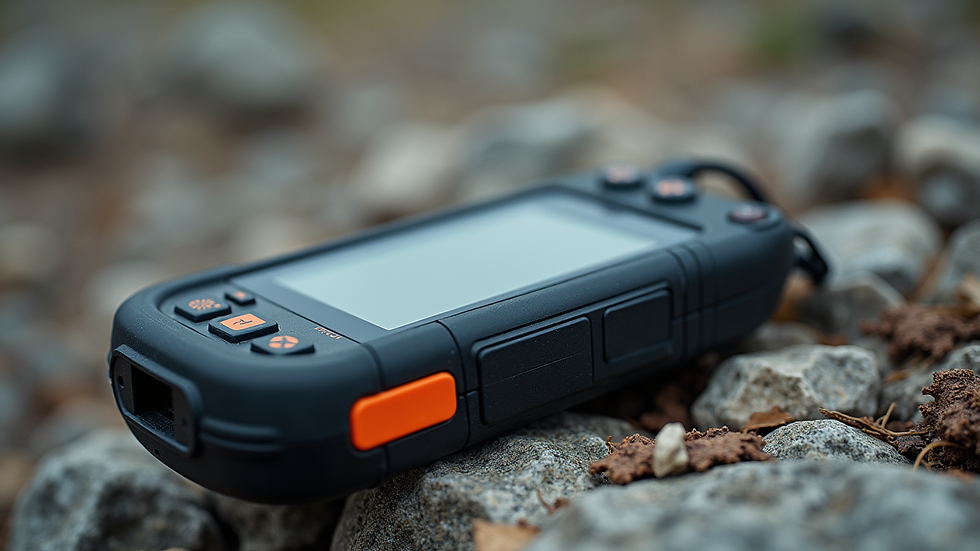
Rugged industrial devices are designed to endure conditions that would damage or destroy typical electronics. They are built with reinforced casings, shock-absorbing materials, and sealed components to resist water and dust ingress. This durability translates into fewer replacements and repairs, reducing downtime and operational costs.
Industries such as manufacturing, construction, logistics, and utilities rely heavily on these devices. For example, a construction site may expose equipment to dust, mud, and accidental drops. A rugged tablet or handheld scanner can survive these challenges while providing real-time data collection and communication.
The benefits extend beyond durability. Rugged devices often feature enhanced battery life, sunlight-readable screens, and specialized software tailored for industrial tasks. These features improve productivity and safety, making them indispensable tools in the field.

Key Applications of Rugged Industrial Devices
Rugged industrial devices serve a wide range of applications across various sectors. Here are some of the most common uses:
Field Data Collection
Devices like rugged handhelds and tablets enable workers to collect and transmit data on-site. This is critical for inventory management, asset tracking, and quality control. For example, utility workers can log meter readings or inspect infrastructure without returning to the office.
Asset Management and Tracking
Rugged devices equipped with barcode scanners or RFID readers help track equipment and inventory in warehouses or outdoor yards. This reduces loss and improves asset utilization.
Maintenance and Inspections
Industrial environments require regular equipment inspections. Rugged devices allow technicians to access manuals, record findings, and report issues immediately, speeding up maintenance cycles.
Logistics and Transportation
Delivery drivers and warehouse staff use rugged devices for route optimization, package scanning, and proof of delivery. These devices withstand vehicle vibrations and weather exposure.
Emergency and Public Safety
First responders and field agents depend on rugged devices for communication and data access in unpredictable conditions. Their reliability can be life-saving.
Manufacturing and Production
On factory floors, rugged devices facilitate real-time monitoring, process control, and quality assurance. They can operate in environments with dust, chemicals, and temperature fluctuations.
These applications demonstrate the versatility and necessity of rugged industrial devices in maintaining operational efficiency and safety.
What is a rugged phone?
A rugged phone is a mobile device specifically designed to withstand tough conditions that would typically damage standard smartphones. These phones feature reinforced frames, shockproof and waterproof designs, and screens resistant to scratches and impacts. They often meet military-grade standards for durability.
Rugged phones are ideal for workers who need reliable communication tools in environments like construction sites, oil fields, or outdoor expeditions. They provide essential functions such as voice calls, messaging, GPS navigation, and access to mobile apps, all while surviving drops, dust, and water exposure.
Many rugged phones also include enhanced batteries for extended use, loud speakers for noisy environments, and programmable buttons for quick access to critical functions. This combination of durability and functionality makes rugged phones a vital tool for field operations.

Benefits of Using Rugged Devices in Industrial Settings
The advantages of rugged devices go beyond their ability to survive harsh conditions. Here are some key benefits that make them a smart investment:
Increased Reliability
Rugged devices reduce the risk of failure during critical tasks. This reliability ensures continuous data flow and communication, which is essential for decision-making and safety.
Lower Total Cost of Ownership
Although rugged devices may have a higher upfront cost, their durability means fewer replacements and repairs. This lowers long-term expenses and minimizes downtime.
Improved Worker Productivity
Features like sunlight-readable screens, extended battery life, and ergonomic designs help workers perform tasks efficiently without interruptions.
Enhanced Safety
Rugged devices often include safety certifications and features that protect users in hazardous environments. For example, intrinsically safe models prevent sparks in explosive atmospheres.
Seamless Integration
Many rugged devices support industry-specific software and connectivity options, allowing smooth integration with existing systems and workflows.
Environmental Resistance
These devices withstand extreme temperatures, moisture, dust, and vibrations, making them suitable for outdoor and industrial use.
By investing in rugged industrial devices, businesses can maintain operational continuity, improve data accuracy, and protect their workforce.
Choosing the Right Rugged Device for Your Needs
Selecting the appropriate rugged device depends on your specific operational requirements. Consider the following factors:
Environmental Conditions
Assess the temperature range, exposure to water or dust, and potential for drops or impacts. Choose devices with certifications like IP68 for water and dust resistance or MIL-STD-810G for military-grade durability.
Functionality Requirements
Determine the necessary features such as barcode scanning, GPS, camera quality, or software compatibility. Some industries require specialized sensors or communication protocols.
Battery Life
Long battery life is crucial for extended fieldwork. Look for devices with replaceable batteries or fast charging capabilities.
Ergonomics and Usability
Devices should be comfortable to hold and operate with gloves if needed. Screen size and readability under sunlight are important considerations.
Connectivity Options
Reliable wireless connectivity (Wi-Fi, LTE, 5G) ensures real-time data transfer. Some environments may require satellite communication.
Budget and Support
Balance cost with durability and features. Also, consider the availability of technical support and warranty services.
By carefully evaluating these factors, you can select a rugged device that maximizes efficiency and minimizes operational risks.
Maximizing the Value of Rugged Devices in Your Operations
To get the most out of rugged industrial devices, implement best practices:
Regular Maintenance
Clean and inspect devices periodically to prevent damage and ensure optimal performance.
Employee Training
Train staff on proper handling and usage to extend device lifespan and reduce accidents.
Software Updates
Keep device software up to date to benefit from security patches and new features.
Protective Accessories
Use additional cases, screen protectors, or mounts to enhance durability and usability.
Data Backup and Security
Implement secure data backup solutions and access controls to protect sensitive information.
By integrating rugged devices thoughtfully into workflows and supporting them with proper care, businesses can enhance productivity and resilience in challenging environments.
Rugged industrial devices are indispensable tools for businesses operating in tough conditions. Their durability, reliability, and specialized features enable seamless data collection, communication, and operational control. Investing in the right rugged device ensures your operations remain efficient and safe, no matter the environment.


Comments