Durable Field Data Collectors: A Guide to Field Data Recording Devices
Collecting accurate data in tough environments demands equipment that can withstand the elements. Field data recording devices must be rugged, reliable, and efficient. Over the years, I have seen how the right tools can transform operations in industries like construction, agriculture, utilities, and environmental monitoring. This guide breaks down what makes a field data recording device durable and how to choose one that fits your needs.
Understanding Field Data Recording Devices
Field data recording devices are specialized tools designed to capture, store, and sometimes transmit data collected outside controlled environments. These devices range from handheld tablets and scanners to GPS units and barcode readers. Their primary function is to ensure data integrity despite exposure to dust, moisture, drops, and extreme temperatures.
When selecting a device, consider the following:
Durability: Can it survive drops, shocks, and vibrations?
Environmental Resistance: Is it sealed against water and dust? Look for IP ratings.
Battery Life: Will it last through long shifts without frequent recharging?
Connectivity: Does it support Wi-Fi, Bluetooth, or cellular networks for real-time data transfer?
Ease of Use: Is the interface intuitive for quick data entry?
These factors directly impact productivity and data accuracy in the field.

Key Features of Durable Field Data Collectors
Durability is the cornerstone of any field data recording device. The term durable field data collectors refers to devices built to endure harsh conditions without compromising performance. Here are the essential features to look for:
Rugged Construction
Devices should have reinforced frames, shock-absorbing materials, and scratch-resistant screens. Military-grade certifications like MIL-STD-810G indicate resistance to drops, vibration, and extreme temperatures.
Water and Dust Resistance
An IP rating of at least IP65 ensures protection against dust ingress and water jets. For wet or muddy environments, higher ratings like IP67 or IP68 provide submersion protection.
Long Battery Life and Hot-Swappable Batteries
Fieldwork often lasts all day. Devices with extended battery life or hot-swappable batteries allow continuous operation without downtime.
High-Visibility Displays
Sunlight-readable screens with adjustable brightness help maintain visibility outdoors. Touchscreens should work with gloves or wet fingers.
Versatile Data Input Options
Support for barcode scanners, RFID readers, GPS modules, and cameras expands the device’s functionality.
Secure Data Storage and Transfer
Robust encryption and multiple connectivity options protect sensitive data and enable seamless syncing.
Choosing the Right Device for Your Industry
Different industries have unique demands. Here’s how to match devices to specific field conditions:
Construction and Engineering
These sites are dusty, noisy, and prone to impacts. Devices with MIL-STD-810G certification and IP67 rating are ideal. Features like barcode scanning and GPS tracking improve inventory and asset management.
Agriculture and Environmental Monitoring
Devices must resist dirt, moisture, and temperature swings. Long battery life and GPS accuracy are critical for mapping and data logging.
Utilities and Energy
Field technicians require devices that handle extreme weather and rough handling. Rugged tablets with cellular connectivity enable real-time reporting and diagnostics.
Logistics and Warehousing
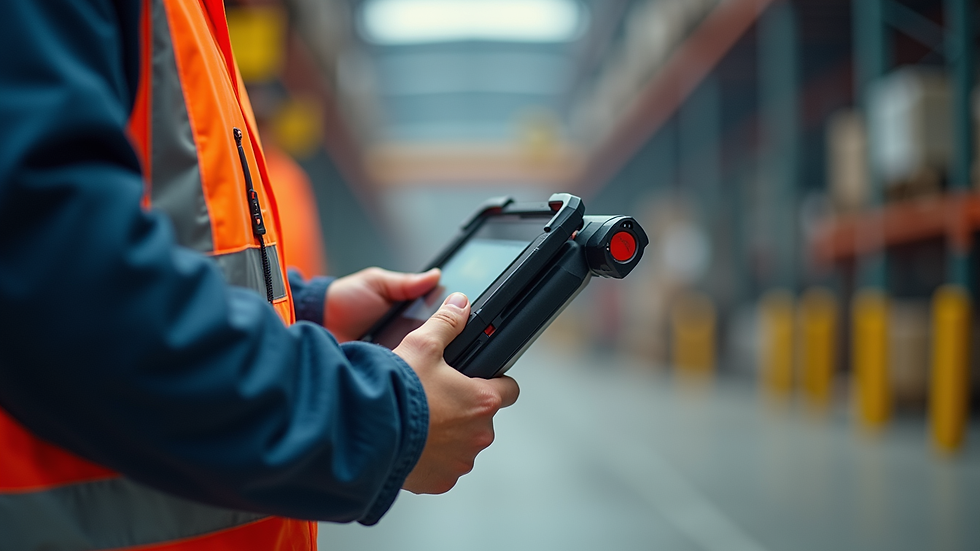
Fast barcode scanning and wireless connectivity streamline inventory tracking. Devices should be lightweight but tough enough to survive drops.
Maintenance and Best Practices for Longevity
Even the toughest devices need care to maximize lifespan. Follow these guidelines:
Regular Cleaning: Use soft cloths and approved cleaning agents to remove dirt and grime.
Protective Cases: Additional bumpers or cases can absorb shocks.
Battery Care: Avoid overcharging and extreme temperatures to preserve battery health.
Software Updates: Keep firmware and apps updated for security and performance.
Training: Ensure users understand proper handling and data entry procedures.
Implementing these practices reduces downtime and repair costs.
Future Trends in Field Data Recording Devices
Technology continues to evolve, enhancing durability and functionality:
5G Connectivity: Faster data transfer and lower latency improve real-time decision-making.
AI Integration: Automated data analysis and error detection streamline workflows.
Wearable Devices: Hands-free data collection through smart glasses or wrist-mounted units.
Solar Charging: Extended field use with renewable energy sources.
Modular Designs: Customizable components tailored to specific tasks.
Staying informed about these trends helps businesses maintain a competitive edge.
Maximizing Efficiency with the Right Tools
Selecting the right field data recording devices is not just about toughness. It’s about matching features to operational needs. Investing in durable field data collectors ensures data accuracy, reduces downtime, and improves worker safety. Evaluate your environment, workflow, and data requirements carefully before making a choice.
The right device becomes a reliable partner in the field, enabling seamless data capture and management. This leads to better insights, faster decisions, and smoother operations across challenging industrial landscapes.


Comments